How smarter hot water specification can help tackle fuel poverty
Fuel poverty reduction is a central obligation for social housing providers, but the route to it is not always obvious. Large-scale fabric improvements are expensive, disruptive, and take years to deliver at scale. Heating system replacements carry programme risk and require significant upfront investment. Hot water, by contrast, is one of the most manageable and predictable energy loads in a tenanted home, and the evidence from programmes already running in the UK suggests it is being underestimated as a lever for reducing what tenants spend.
This piece looks at what smart hot water has delivered in practice, and why it is worth taking seriously as part of a broader fuel poverty strategy.
Why hot water is a practical starting point
Unlike space heating, which fluctuates significantly with weather and resident behaviour, hot water demand follows consistent daily patterns. That predictability makes it easier to optimise. A smart cylinder can heat only the volume of water actually needed, shift that load to cheaper tariff windows overnight or during periods of high renewable generation, and capture surplus solar PV where it exists on the property.
Traditional cylinders heat a full tank to a set temperature, hold it there, lose heat through standing losses, and reheat repeatedly. The energy waste is structural, not a result of how residents use the system. Smart cylinders address that at the point of design rather than asking residents to change behaviour.
What the evidence shows
At Birmingham City Council, nearly 1,000 Mixergy smart cylinders were installed across homes in East Birmingham. Over two years, households saved up to £286 over two years on hot water bills, with a combined saving of over £286,745 across the programme and a carbon reduction of 172 tonnes.

At Barcud Housing Association in Mid-Wales, residents in a scheme combining smart cylinders with solar PV reported typical weekly savings of around £19 on hot water, with overall electricity bills reduced by two thirds for some households. One resident described going from rationing energy use to feeling financially comfortable for the first time in years.
North Devon Homes saw residents with solar PV save approximately £91 on hot water over a six-month period. These were not exceptional cases. They reflect what smart control of a predictable load can deliver when the specification is right.
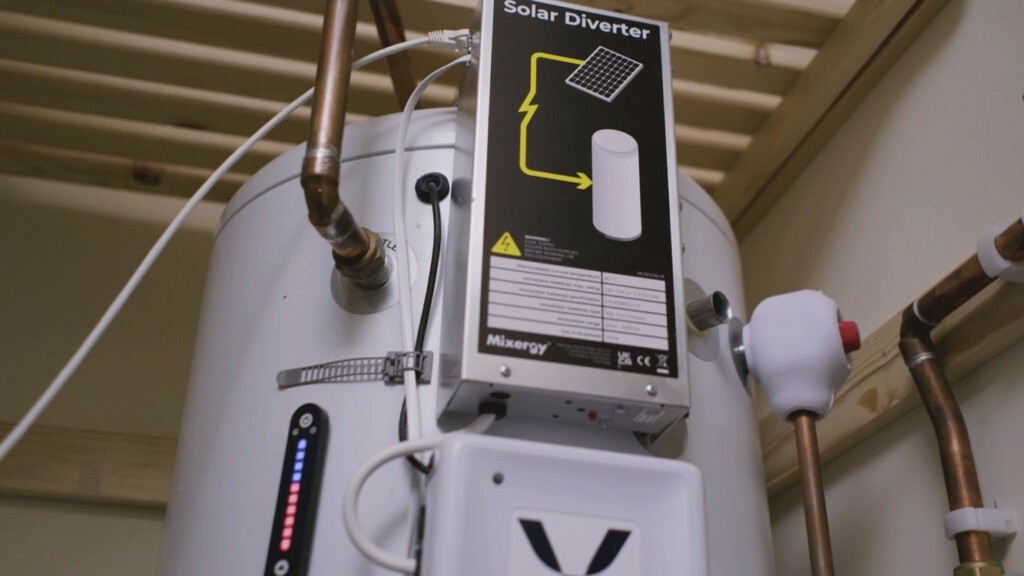
Tackling fuel poverty in Mid-Wales with Mixergy and solar PV
The link to EPC reform
These outcomes are relevant to more than fuel poverty strategy. From 2027, EPC reform is expected to introduce smart readiness as a performance metric under the Home Energy Model. Homes that can demonstrate dynamic control over energy use, including the ability to respond to tariffs and shift load, will be better positioned under the reformed framework.
That means the case for smart hot water is twofold. It delivers measurable savings for tenants now. And it aligns the asset with a compliance framework that is coming regardless.
For providers running retrofit programmes today, that combination is worth taking seriously. A smart-ready cylinder is not a future upgrade. It is the specification that serves both purposes at once.
Contact our team
Our experts can help you understand how specifying the right hot water solution for your retrofit programme can do more than support compliance. It can also play a meaningful role in tackling fuel poverty.